

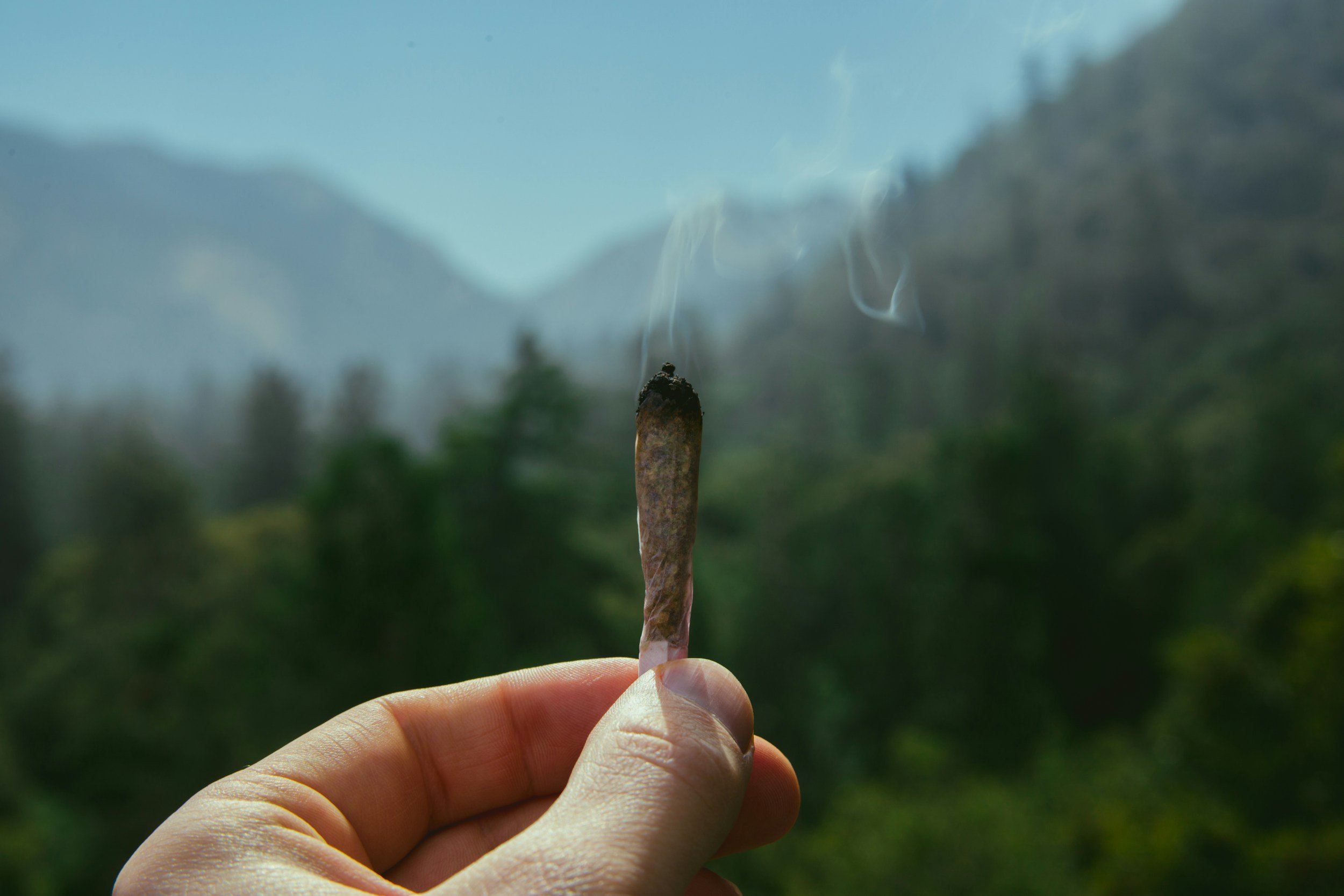
Emotional Numbing vs. Relaxation: What's the Difference?
Many people use marijuana to relax.
After a stressful day, it can feel like the fastest way to unwind. Your shoulders drop. Your thoughts slow down. The tension you've been carrying all day seems to soften.
But sometimes people reach a point where they start asking a different question: “Am I actually relaxing—or am I just checking out?"
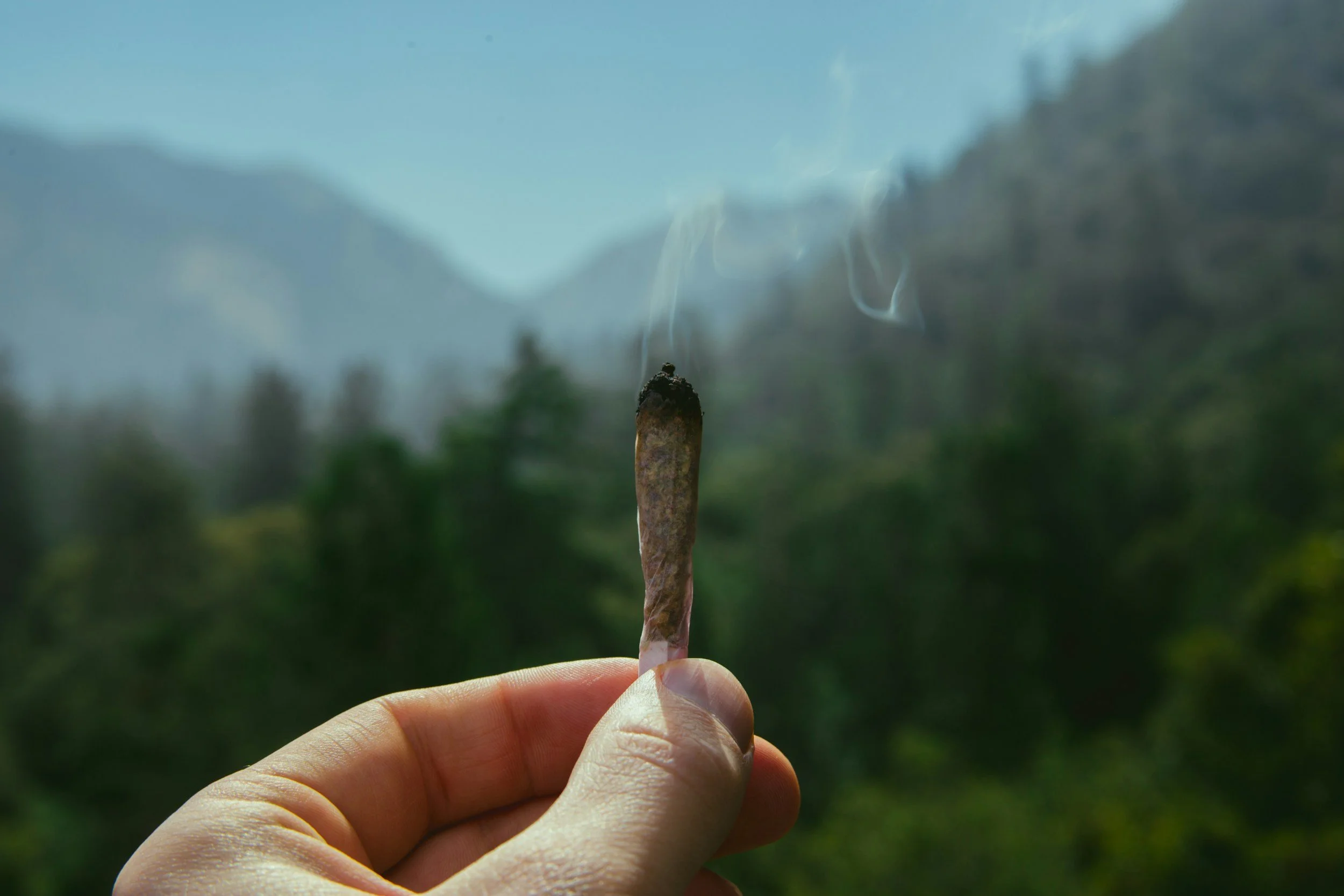
Can You Sleep Without Weed? What to Expect When You Stop
For a lot of people, marijuana becomes part of their nighttime routine.
It starts innocently enough. Weed helps you relax, you fall asleep more quickly, and before long, it becomes something you reach for every night. There’s a thought:
"What if I can't sleep without it?"
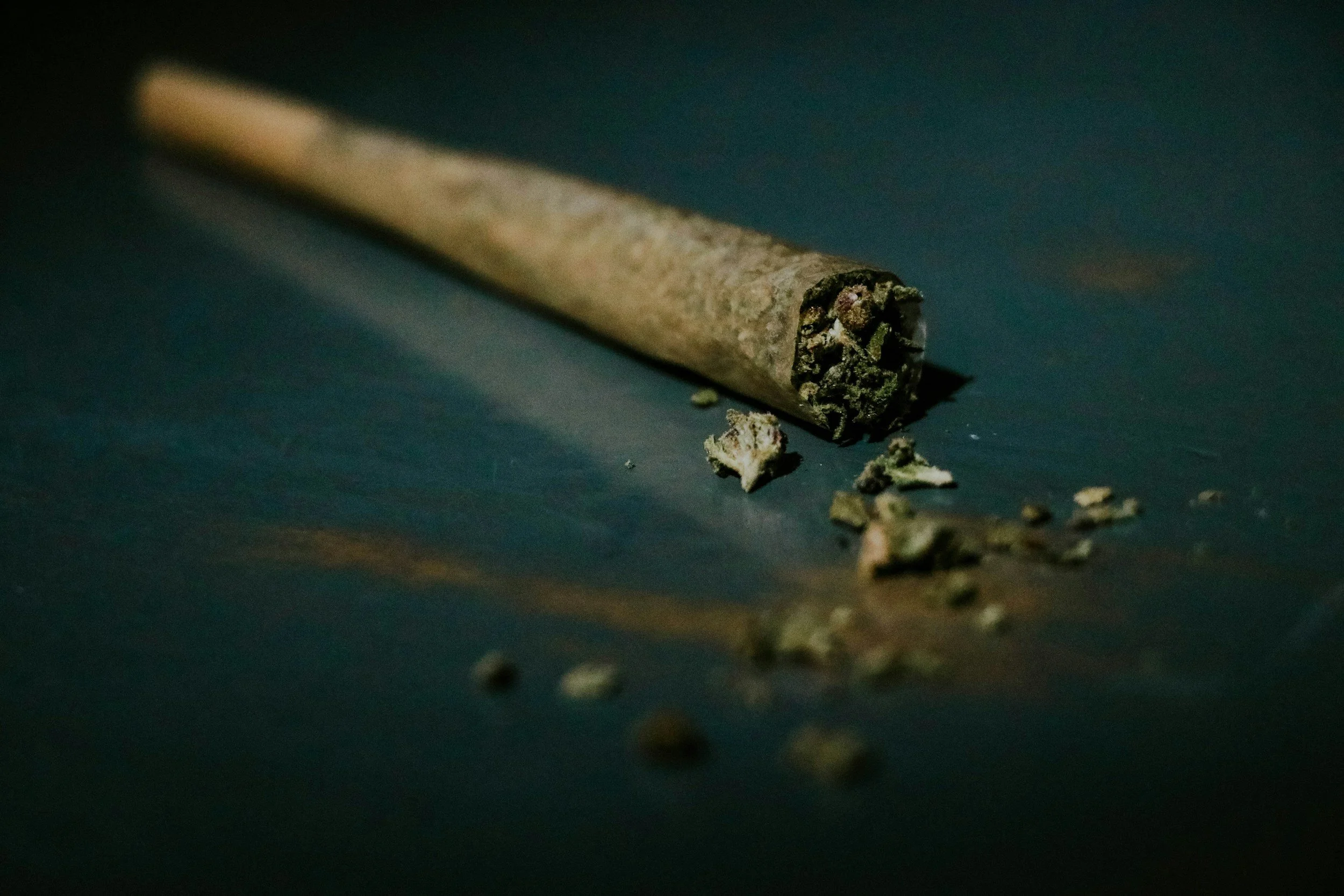
How to Know if Your Marijuana Use Is Becoming a Problem (Without Hitting “Rock Bottom”)
When people think about substance use, they often think in extremes: either you’re completely fine, or you’ve completely lost control. In reality, there is a lot of ground in the middle.
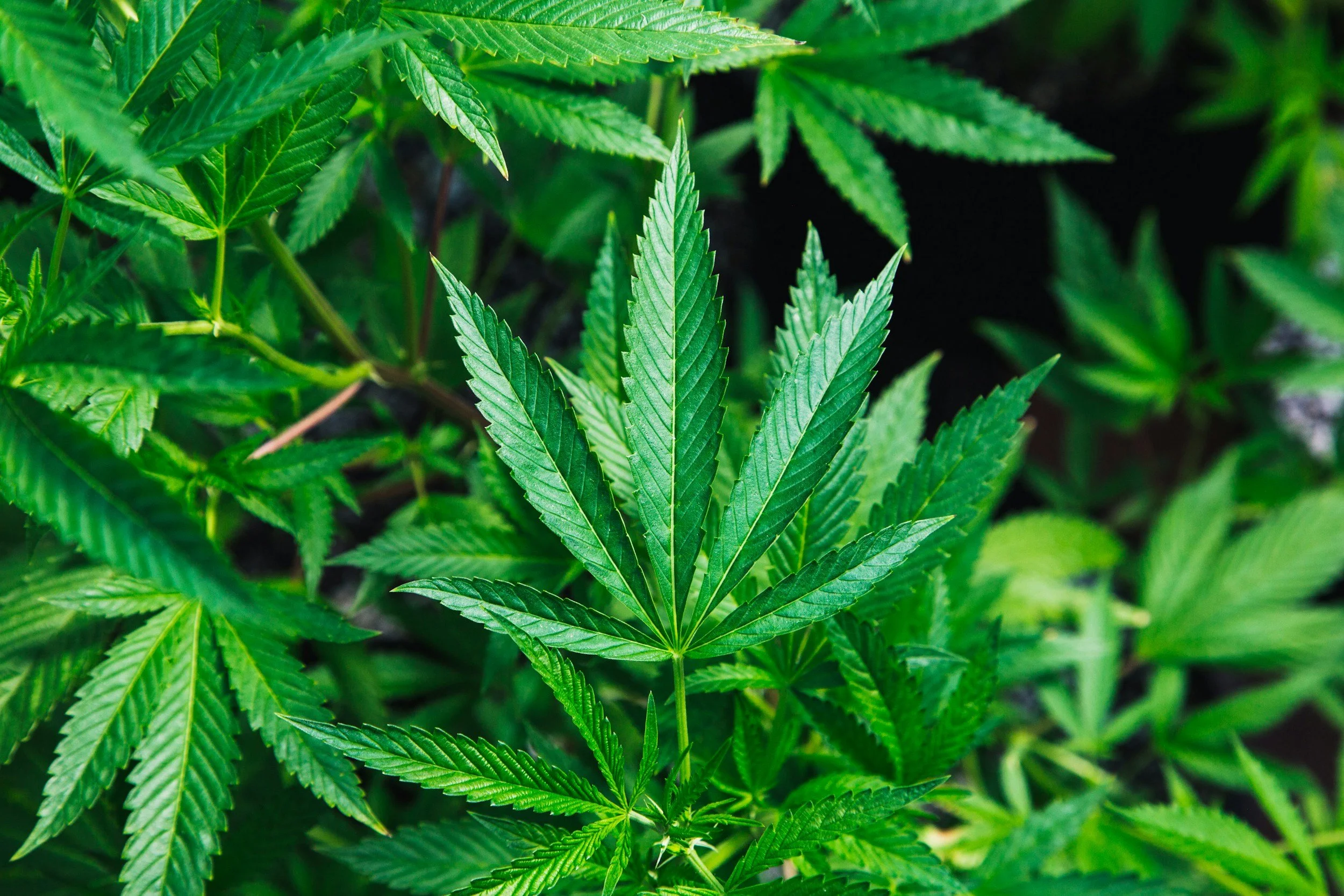
Does Marijuana Actually Help Anxiety — Or Make It Worse?
If you’ve ever felt calmer while high but more anxious afterward, or noticed yourself becoming more dependent on marijuana to relax, you’re not alone.
The relationship between marijuana and anxiety is often more complicated than people expect.
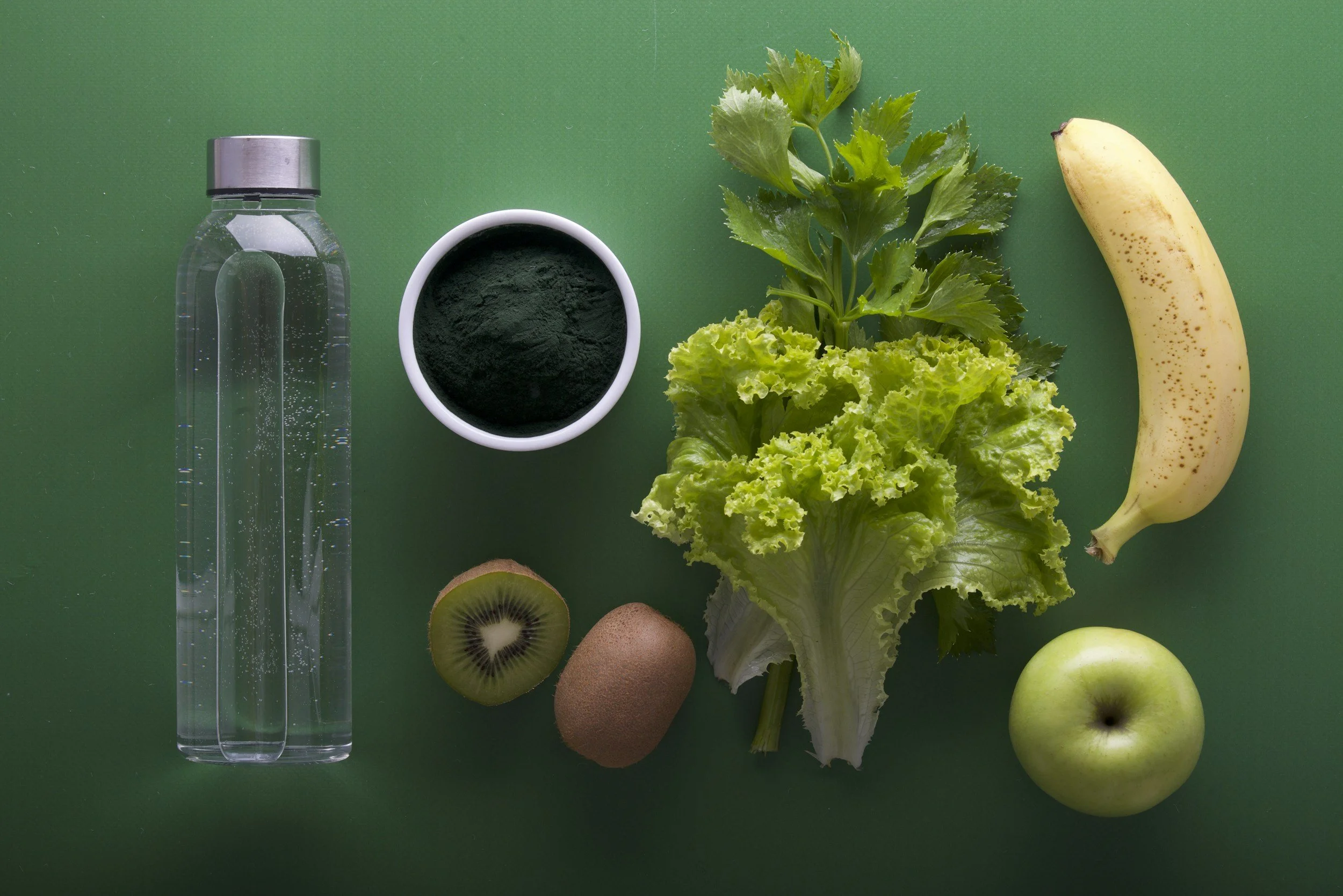
When Restriction Looks Like “Wellness”
A lot of disordered eating doesn’t look concerning at first. In fact, it often looks… healthy.
Meal prepping, cutting out certain foods, and being “really disciplined” are things we praise.
And because these habits are so normalized (especially in wellness spaces) it can be really hard to tell when something has crossed a line. But underneath the surface, things can feel very different.
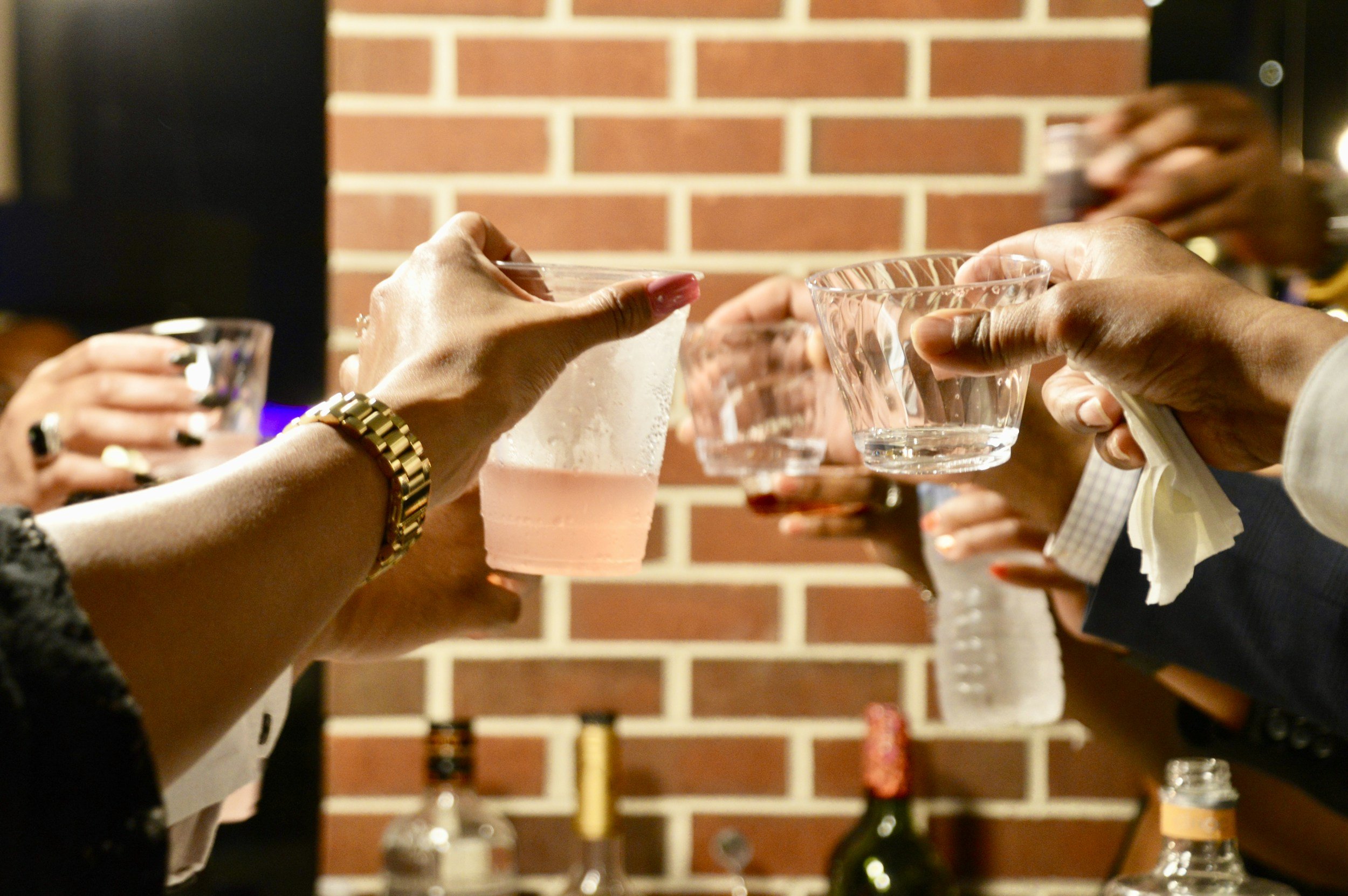
Sober Curious: Exploring Alcohol Without the Label “Addict”
You don’t have to hit rock bottom to question your relationship with alcohol.
A lot of people assume that if drinking isn’t “out of control,” then it’s not something worth looking at, or that there needs to be a clear problem before making a change. But that’s not how it works for everyone, and sometimes it’s quieter than that.
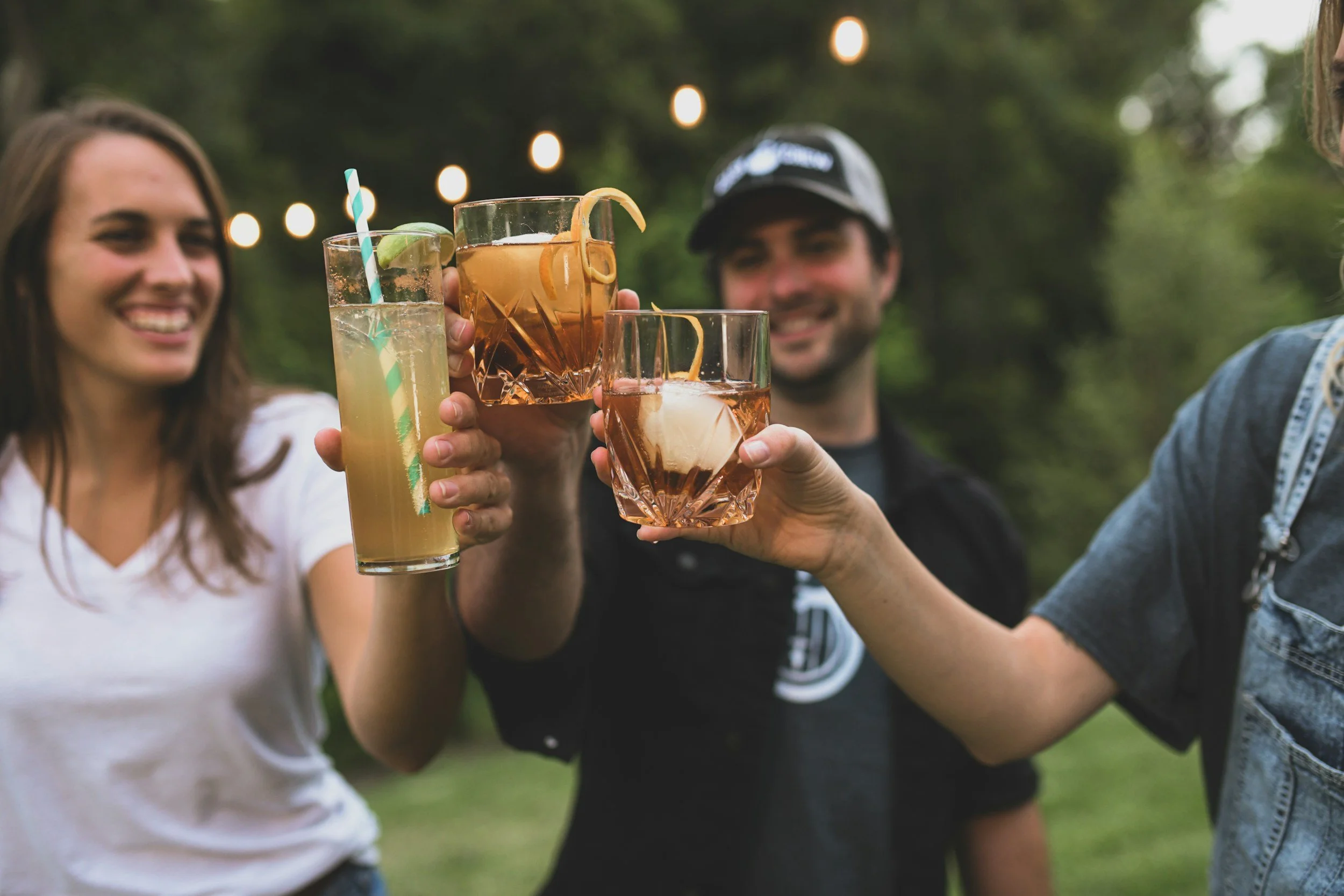
What Alcohol Was Helping You Avoid (And What Can Replace It)
For many people, alcohol isn’t just about having fun; it’s about relief. A drink at the end of the day can take the edge off stress. It can make social situations feel easier, and it can quiet racing thoughts for a little while. That’s why cutting back on alcohol can feel surprisingly uncomfortable, not just physically, but emotionally.

You Don’t Need to “Hate Your Body” to Have Disordered Eating
Many people who struggle with disordered eating don’t hate their bodies at all. In fact, they might even say they feel mostly okay about their appearance. And because of that, they often convince themselves their eating habits “aren’t that serious.” Disordered eating isn’t only about body image. It’s about your relationship with food, control, and coping.

Somatic Symptoms of Anxiety: When Your Body Speaks First
Anxiety doesn’t always start with thoughts. Sometimes it starts in the body. If you’ve been experiencing physical symptoms that don’t seem to have a clear medical explanation, you may be dealing with somatic symptoms of anxiety when your body reacts before your mind fully understands why. Let’s talk about what that means, why it happens, and what can help.

Hanxiety: Understanding Anxiety After Drinking
Have you ever woken up after a night of drinking with a racing heart, a pit in your stomach, and a sudden wave of dread? Maybe you replay conversations in your head, you’re convinced you said something embarrassing, or maybe you just feel… off. If this sounds familiar, you’re not imagining it. There’s a name for this experience: hanxiety — the anxiety that shows up after drinking alcohol. And guess what? It’s more common than you might think.

When Rest Feels Unproductive: Why High Achievers Struggle to Slow Down
If you’ve ever felt guilty for taking a break or struggled to relax without immediately reaching for your to-do list, you’re not alone. This isn’t just about work ethic. It’s about the deeper emotional wiring behind achievement, self-worth, and the belief that productivity equals value.
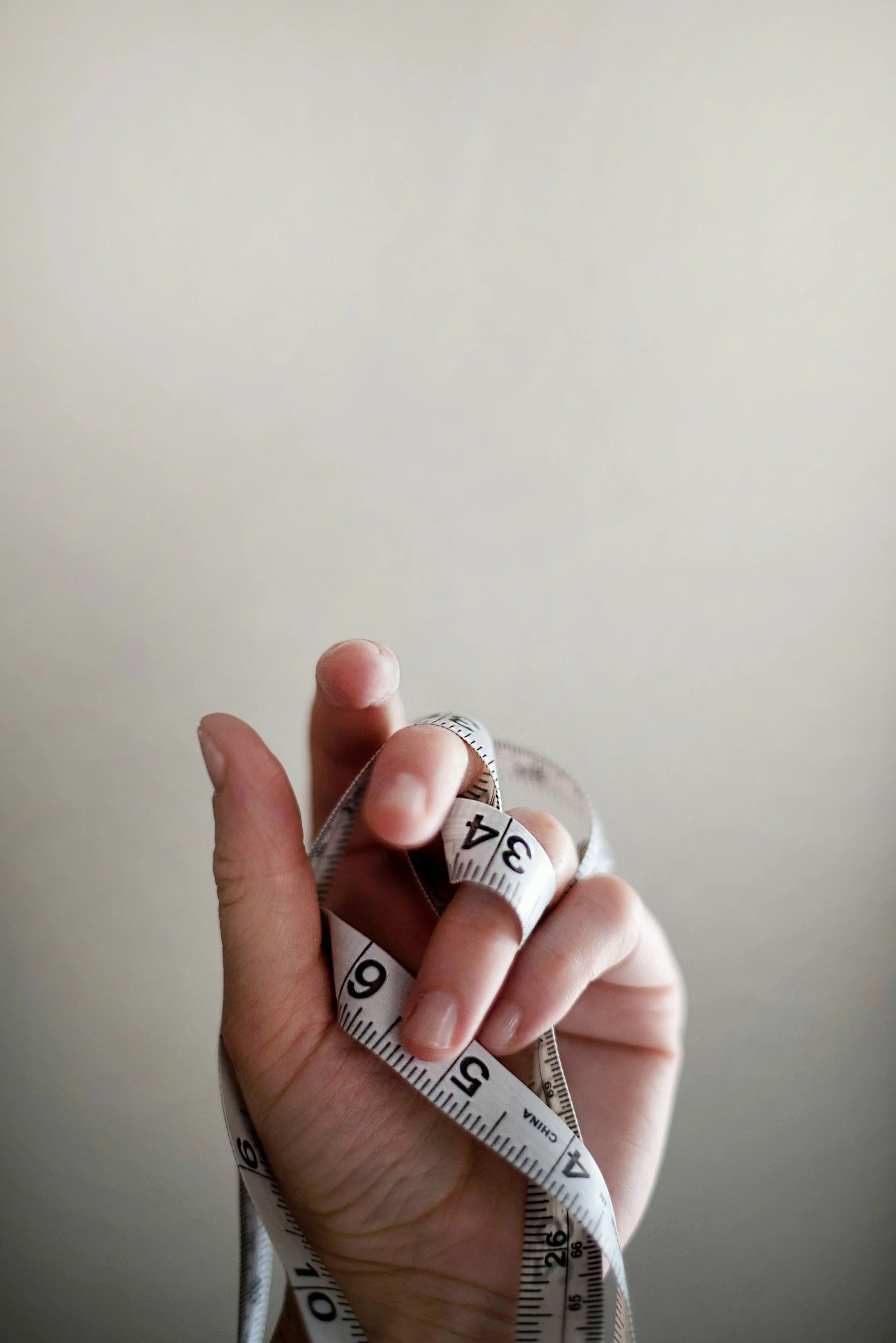
Signs of High-Functioning Eating Disorders
Eating disorders don’t always look like what we see in the media. They don’t always involve extreme weight loss, hospitalizations, or dramatic behaviors. In fact, some of the most pervasive and painful eating disorders go unnoticed because from the outside, everything seems “fine.” And if you’ve ever thought, “I can’t be struggling; I’m doing too well,” this post is for you.
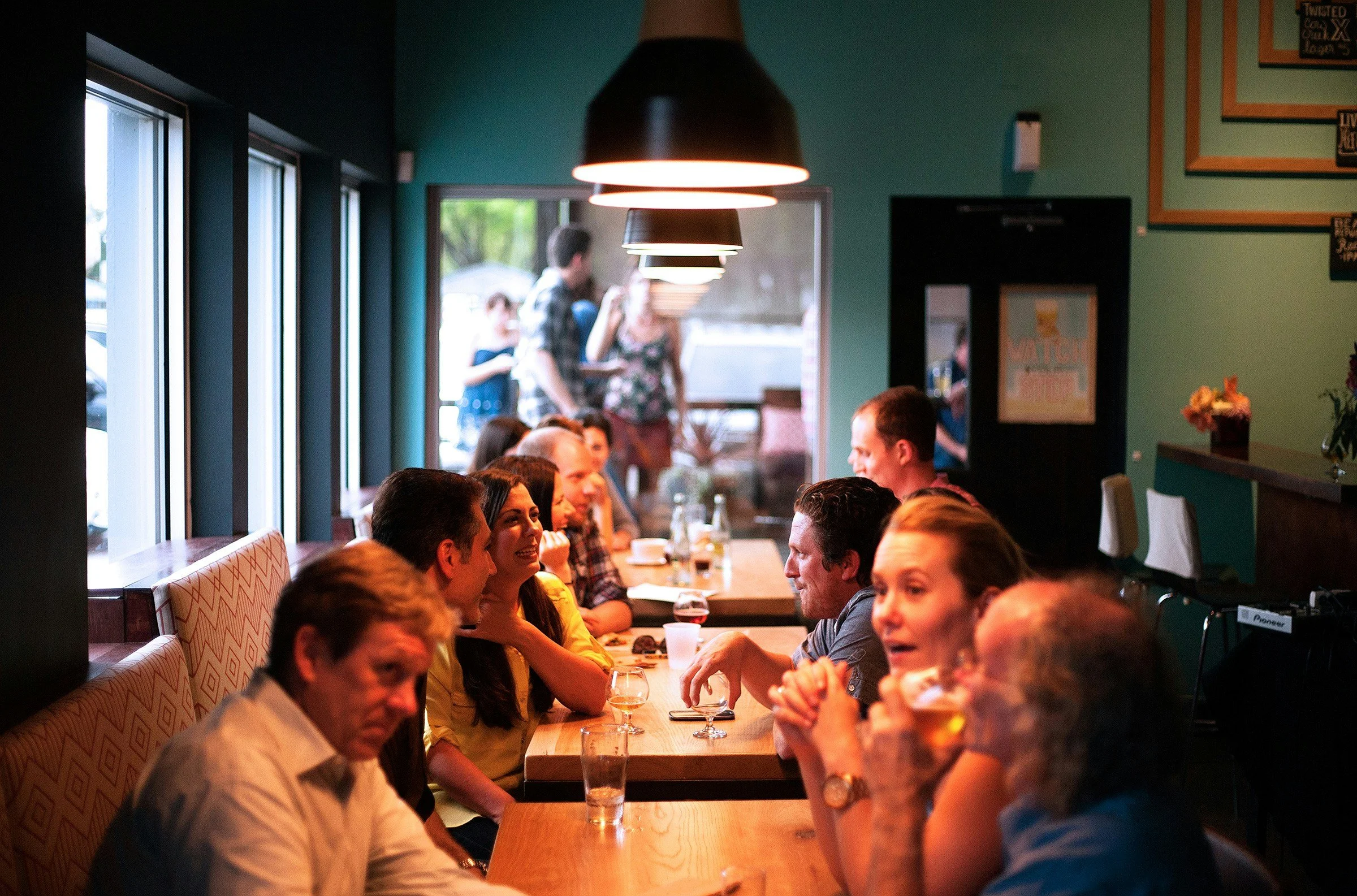
Social Anxiety Isn’t Just Shyness: Here’s What It Really Feels Like (And What Helps)
Social anxiety is often misunderstood and minimized. People assume it’s just about being introverted or nervous in crowds. But social anxiety is more than that. It’s not a personality quirk. It’s a lived experience that can feel exhausting, isolating, and at times, completely overwhelming.

Sobriety and Eating Disorders: What to Do When One Coping Mechanism Replaces Another
You remove alcohol or weed from your life, hoping to find clarity, calm, or more control. And then, almost out of nowhere, you start binge eating. Or purging. Or obsessively thinking about food and your body in ways that feel all too familiar. You’re not alone, and you’re not doing anything wrong.

Dating While Sober: The Things No One Really Talks About
Dating is often described as exciting, messy, confusing, and full of possibility. Now take alcohol out of the equation. Scary thought? You’re not alone. For many people, dating and drinking go hand in hand. First dates often happen over cocktails or happy hour. So when you stop drinking, or even just cut back, it’s normal to feel unsure about how to navigate intimacy, chemistry, and connection without that social lubricant.

Is Marijuana Helping or Harming Your Social Anxiety?
Many people turn to marijuana to take the edge off in social situations. Maybe it helps you feel less awkward at a party. Or maybe you’ve gotten into the habit of taking a few hits before any gathering where you need to “be on.” But is it actually helping your social anxiety or just covering it up?

DBT and Anxiety
Anxiety can feel like a constant hum in the background or like a tidal wave that hits out of nowhere. It shows up in racing thoughts, tight chests, spiraling worst-case scenarios, overthinking, avoidance, and the sense that no matter how hard you try, it’s just too much.
If any of this sounds familiar, you’re not alone. Anxiety is one of the most common mental health struggles, and the good news is, it’s also highly treatable.

DBT and Eating Disorders
If you’re struggling with an eating disorder, or even disordered eating that doesn’t quite fit a label, you’re not alone. Many people develop complicated relationships with food, exercise, and their bodies as a way to manage emotional pain, anxiety, or a deep sense of being out of control.

DBT and Substance Use
If you’re struggling with alcohol or marijuana use, know this: you’re not alone, and you don’t have to do this perfectly to move forward.

Building a Support Network for Your Sobriety Journey
Recovery from substance use isn’t something you have to do alone, and in fact, you shouldn’t. While personal commitment is essential, building a strong support network can make the difference between surviving sobriety and truly thriving in it.